
Transform Your Body: The Complete Men's Nutrition Guide
Discover science-backed nutritional strategies designed specifically for men seeking to optimize their fitness results and overall health through smarter eating habits.
The information on this site is for educational purposes only and does not constitute medical advice. Always consult a qualified healthcare professional before making health decisions.
Why Nutrition Matters More Than You Think
Proper nutrition is the foundation of every successful fitness journey for men. Whether you're building muscle, improving athletic performance, or simply looking to feel better day-to-day, what you eat directly impacts your results. Men's bodies have unique nutritional requirements that differ from general fitness advice, and understanding these specifics can accelerate your progress significantly.
The right macronutrient balance supports muscle recovery, fuels intense workouts, and helps maintain optimal energy levels throughout your day. Our editorial team has researched and compiled comprehensive guidance on protein intake, carbohydrate timing, healthy fats, and micronutrient requirements specifically tailored for men's fitness goals.
Beyond the physical benefits, strategic nutrition improves mental clarity, enhances sleep quality, and supports long-term wellness. This isn't about restrictive dieting—it's about making informed choices that align with your body's actual needs and your fitness ambitions.

Essential Macronutrients for Male Athletes
Protein: The Muscle Builder
Protein is essential for muscle repair and growth. Most athletic men benefit from consuming 0.7 to 1 gram of protein per pound of body weight daily. High-quality sources include lean meats, fish, eggs, dairy, legumes, and plant-based options. Distributing protein evenly across meals maximizes muscle protein synthesis throughout the day.
Carbohydrates: Your Energy Source
Carbs fuel high-intensity training and support recovery. Quality sources include whole grains, oats, brown rice, sweet potatoes, and legumes. Timing matters—consuming carbs before and after workouts optimizes performance and recovery. Men with active lifestyles typically need 4 to 7 grams per kilogram of body weight daily.
Fats: Essential for Health
Healthy fats support hormone production, joint health, and cognitive function. Include sources like avocados, nuts, seeds, olive oil, and fatty fish rich in omega-3s. Aim for 20 to 35 percent of your daily calories from fats. Don't fear dietary fat—it's crucial for optimal testosterone levels and overall male health.
Building Your Personalized Nutrition Strategy

The Four-Step Framework
Calculate Your Caloric Needs
Determine your basal metabolic rate and adjust based on your activity level. Use this foundation to fuel your goals—maintaining current weight, building muscle, or improving endurance.
Set Your Macronutrient Ratios
Based on your goals, establish target percentages for protein, carbohydrates, and fats. Athletes typically benefit from higher protein intake—adjust other macros accordingly.
Choose Whole Food Sources
Focus on nutrient-dense foods that provide vitamins, minerals, and fiber alongside macronutrients. Prioritize whole grains, lean proteins, vegetables, fruits, and healthy fats.
Track and Adjust
Monitor your nutrition, energy levels, and performance regularly. Adjust portion sizes and food choices based on results and how you feel during workouts.
Practical Meal Prep Ideas

Grilled Chicken with Brown Rice
Season chicken breasts with herbs and grill in batches. Pair with brown rice and steamed broccoli. This classic combination provides lean protein, complex carbs, and micronutrients. Prep on Sunday for the entire week—portion into containers for grab-and-go convenience.
Approximate macros: 35g protein | 45g carbs | 8g fat per serving

Baked Salmon with Sweet Potato
Season salmon with lemon and dill, then bake alongside cubed sweet potatoes. Add leafy greens on the side. The omega-3 fatty acids support recovery, while complex carbs replenish glycogen stores. This meal is excellent for post-workout nutrition and overall joint health.
Approximate macros: 32g protein | 42g carbs | 12g fat per serving
Ground Turkey Tacos
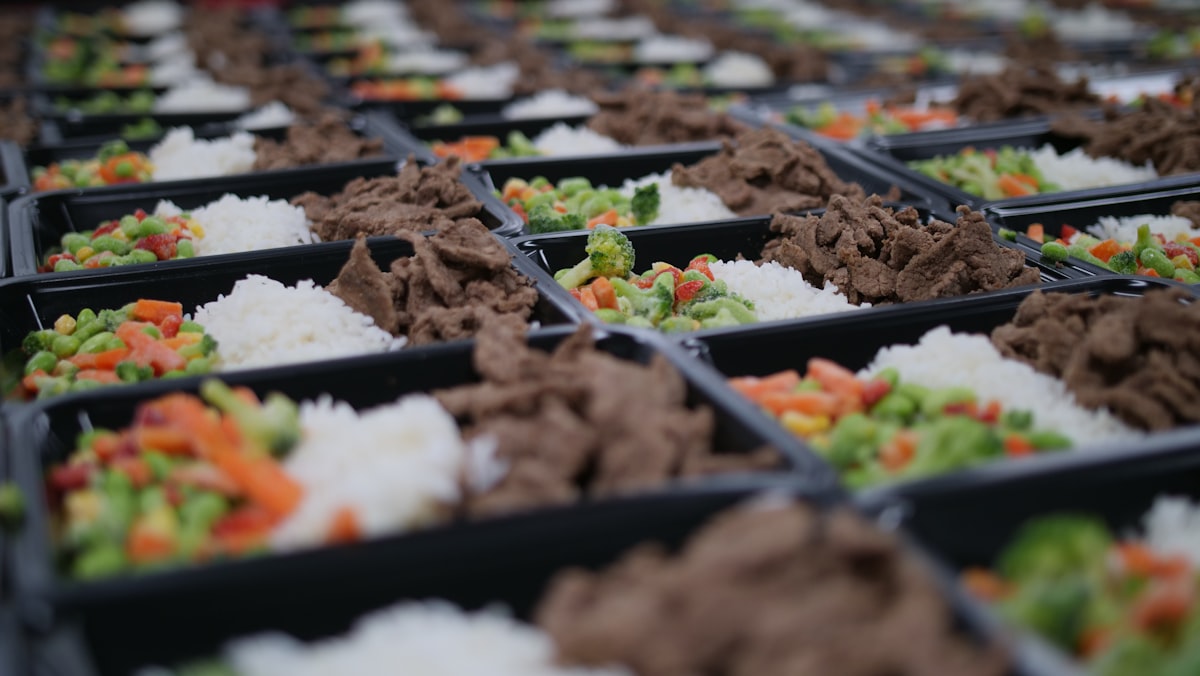
Brown lean ground turkey with spices and serve in whole wheat tortillas with vegetables. Top with avocado for healthy fats. This flexible meal supports muscle building while remaining affordable and quick to prepare. Customize toppings based on preference and nutritional goals.
Approximate macros: 28g protein | 38g carbs | 10g fat per serving
Scrambled Eggs with Whole Grain Toast
Scramble eggs with vegetables like spinach, peppers, and onions. Serve with whole grain toast and a banana. Eggs provide complete protein and choline for cognitive function. This breakfast option fuels your morning workout and supports sustained energy throughout the day.
Approximate macros: 20g protein | 40g carbs | 12g fat per serving

Quinoa and Black Bean Bowl
Combine cooked quinoa with black beans, corn, bell peppers, and a lime-cilantro dressing. This plant-based option provides complete amino acids and substantial fiber. Ideal for vegetarian athletes or as a nutritious side dish to complement lean proteins.
Approximate macros: 14g protein | 52g carbs | 6g fat per serving
Tuna Salad with Mixed Greens
Mix canned or fresh tuna with olive oil dressing over mixed greens, cherry tomatoes, and cucumber. Add nuts for crunch and additional healthy fats. This light, protein-packed meal works perfectly for lunch or dinner when you want something quick without sacrificing nutrition.
Approximate macros: 30g protein | 12g carbs | 14g fat per serving
Common Questions About Men's Fitness Nutrition
Most research suggests that men engaged in regular resistance training benefit from consuming 0.7 to 1 gram of protein per pound of body weight daily. For a 180-pound man, this translates to roughly 126 to 180 grams daily. However, individual needs vary based on training intensity, goals, and metabolism. Start with the lower end of this range and adjust based on progress and recovery. Distributed evenly across 4 to 5 meals optimizes muscle protein synthesis better than consuming all protein in one sitting.
Ideally, consume carbs both before and after your workout. Pre-workout carbs (consumed 1 to 2 hours before exercise) provide energy and improve performance during training. Post-workout carbs help replenish depleted glycogen stores and support recovery. A general guideline is to eat a meal containing 30 to 40 grams of carbohydrates and some protein 1 to 2 hours before training, and then consume 0.5 to 0.7 grams of carbohydrates per pound of body weight within 30 to 60 minutes after your workout alongside protein.
No—dietary fat is essential and beneficial when chosen wisely. Healthy fats support hormone production (including testosterone), improve nutrient absorption, reduce inflammation, and support cardiovascular health. The key is selecting quality sources: avocados, nuts, seeds, olive oil, fatty fish, and nut butters. Aim for 20 to 35 percent of daily calories from fat. Avoid excessive trans fats and limit saturated fats while prioritizing monounsaturated and polyunsaturated sources. Men concerned about body composition often needlessly cut fat too aggressively, which can negatively impact hormone levels and overall performance.
This requires a modest caloric deficit combined with adequate protein intake. First, establish your maintenance calories, then create a deficit of 300 to 500 calories daily (roughly 10 to 15 percent below maintenance). Prioritize high protein intake—0.8 to 1 gram per pound of body weight is especially important during a cut to preserve muscle mass. Maintain regular resistance training and cardio. Track your progress every 2 to 3 weeks; if losing more than 1 pound weekly, increase calories slightly. Include plenty of vegetables for satiety and micronutrients despite lower overall calories.
Several micronutrients deserve special attention: magnesium (supports muscle function and recovery), zinc (crucial for testosterone production), iron (essential for oxygen transport), vitamin D (supports testosterone and bone health), and B vitamins (energy metabolism). Additionally, calcium, potassium, and sodium are important for muscular contractions and hydration. The best approach is eating a varied diet rich in whole foods, colorful vegetables, fruits, nuts, seeds, and quality protein sources. This typically provides sufficient micronutrient levels without supplementation. However, if you suspect deficiencies or have specific dietary restrictions, consulting with our editorial resources or a nutrition specialist can help identify gaps.
What Our Readers Say
"The practical guidance in these articles completely transformed my approach to nutrition. I was lifting hard but eating randomly, and my results were stagnant. After implementing the macronutrient framework explained here, I've gained solid muscle and feel infinitely better. The meal prep ideas are realistic and actually taste good—this isn't about eating chicken and broccoli every day."
Marcus van der Berg
Amsterdam, Netherlands
"As someone who's always been confused about whether carbs are good or bad, I really appreciated the balanced perspective. The section on fat timing and hormone production was eye-opening—I was actually damaging my testosterone levels by cutting fat too aggressively. Vitalmalehealth breaks everything down without the bro-science nonsense."
Pieter Jansen
Rotterdam, Netherlands
"I've read dozens of fitness blogs, but these articles stand out because they're grounded in actual science, not marketing hype. The FAQ section answered questions I didn't even know I had. The meal prep suggestions saved me enormous amounts of time while improving my nutrition consistency. Worth exploring every article on this site."
Sven de Ridder
Utrecht, Netherlands
Stay Updated with Fitness Nutrition Insights
Get the latest articles and evidence-based nutrition guidance delivered directly to your inbox. No spam, only actionable content for serious athletes.
Our Editorial Approach
Evidence-Based Research
All content is grounded in peer-reviewed research and established nutritional science. We reference studies and expert sources, helping you make informed decisions about your nutrition strategy backed by legitimate evidence.
Athlete-Focused Content
We write specifically for men serious about fitness. Our articles address the unique nutritional needs of athletes, from muscle builders to endurance enthusiasts, recognizing that one-size-fits-all nutrition advice is ineffective.
Practical Implementation
Knowledge without application has no value. Every article includes actionable strategies, meal ideas, calculations, and frameworks you can immediately implement into your daily routine and fitness journey.
Featured Reading

Advanced Nutrition Strategies for Muscle Gain
Discover sophisticated approaches to nutrient timing, caloric surplus optimization, and periodized nutrition protocols designed specifically for men pursuing significant muscle growth.
Read Article
Sports Nutrition for Peak Athletic Performance
Learn how professional athletes optimize their nutrition for peak performance, recovery, and consistency. Includes hydration strategies, endurance nutrition, and training-day fuel plans.
Read Article
Intelligent Nutrition for Sustainable Weight Loss
Explore nutrition-based approaches to body composition improvement that prioritize muscle preservation, energy maintenance, and long-term sustainability without extreme restrictions.
Read ArticleHave Questions? We're Here to Help
Our editorial team welcomes questions about nutrition, fitness, and the content we publish. While we focus on informational content rather than personal consultations, we enjoy reader feedback and article suggestions.
Email: [email protected]
Location: Prinsengracht 54, Utrecht, Netherlands